Drain Cleaning
Clearing biofilm and blocked branches.
About this serviceDallas-Fort Worth
Melissa has gone from a small town to a city of new subdivisions in about fifteen years, and the most common complaint we get from those houses is not a leak. It is a smell. A guest bathroom that smells of sewer, a laundry room that smells on windy days, a garage that smells in August. Sewer gas gets into houses in a small number of well-understood ways, and the useful thing is to work through them in order rather than pour chemicals down a drain.
24/7 dispatch · Melissa · Collin County
Every fixture holds a small plug of water that seals the drain against the sewer. Remove that water and you have an open pipe into the house. In a large new house with rooms nobody uses, this is the answer most of the time.
Unused fixtures evaporate. A guest bath, a third shower, a wet bar sink: a few weeks unused in a Texas summer with the air conditioning running and the trap is dry. Pouring a couple of litres of water down it and waiting a day is a free diagnosis, and if the smell goes, that was it.
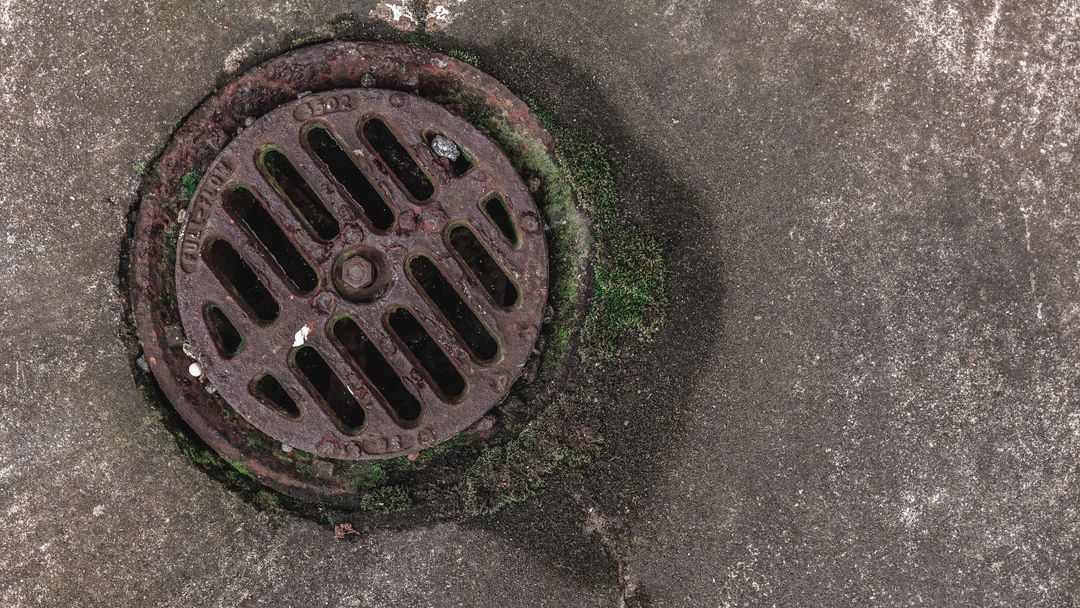
Floor drains are the classic in a garage or utility room. They are almost never used, so they are almost always dry, and they are the reason a garage can smell of sewer in the heat. Water, and then a trap primer or a purpose-made trap seal insert if it keeps happening.
A condensate line into a drain can push air the wrong way. Air conditioning condensate is frequently routed into a plumbing drain. Done without a proper trap and connection, that line becomes a direct path for sewer gas into the air handler space, which is how a smell ends up circulating through the whole house rather than sitting in one room.
When the traps are wet and the smell persists, these are the next three places, and all three are common in houses of this age.
A toilet that rocks has usually broken its seal. The wax seal between the toilet and the closet flange is what keeps gas in the pipe. Any movement breaks it, and the symptom is a faint smell near the toilet that gets stronger after a flush. It is an hour of work and it should be done before the subfloor gets wet, not after.
Flange height is a new-build issue here. Where a tiled floor was laid over the original finish, the flange can end up below the tile, which means the seal is being asked to bridge a gap it was not designed for. Correcting the flange height properly is the fix; stacking extra wax rings is the thing that gets done instead and it fails again.
Missing cleanout caps are an open sewer in the house. Cleanouts in a garage, a utility closet or under a sink have caps for a reason. They come off during a service call and occasionally do not go back. A cleanout in an interior wall cavity with no cap will scent an entire floor of a house.
Check the washing machine standpipe. The standpipe behind a washer should have its own trap below it. Where a drain hose is pushed too far down into the pipe it can seal against the trap water and pull it out, and where there is no trap at all the pipe simply vents the sewer into the laundry room.
Two more causes, one architectural and one that is not sewer gas.
Vent terminations can be in the wrong place. Vent pipes exhaust sewer gas above the roof, and they need to be clear of windows, of fresh air intakes and of anywhere a downdraught will push the air back down. On a new house with complex rooflines, a vent terminating in the wrong relationship to a window is a real and repeatable cause of a smell that only appears with certain wind.
A blocked vent produces gurgling as well as odour. If a drain glugs while another fixture runs, air is being pulled through a trap seal rather than down the vent, and each glug releases gas. That is a venting fault rather than an odour fault, and clearing or correcting the vent fixes both symptoms.
Most kitchen and bathroom smells are biofilm, not sewage. A sour or musty smell at a sink is usually the film of grease, soap and skin lining the first few inches of the drain and the overflow. That is cleaned mechanically or with an enzyme product over several applications, not with caustic drain opener, which does very little to a coating on a wall.
Rule out the water heater before blaming the drains. A rotten egg smell coming from hot water only is a reaction inside the heater rather than anything in the sewer. It is a completely different repair, and the giveaway is that the cold tap smells fine.
The phone is answered around the clock, holidays included. On a smell, the details that speed everything up are which rooms, whether it is hot water only, whether it is worse on windy days, and whether any fixture in the house goes unused.
Melissa sits in the northern Collin County corridor we cover daily, with overnight dispatch. Where a smell resists the obvious checks we can smoke test the drainage system, which finds the actual opening rather than guessing at it, and that is usually the end of a problem people have lived with for months.
FAQ
Almost certainly a dry trap. A fixture nobody uses evaporates its water seal in a few weeks of Texas summer, leaving an open pipe to the sewer. Pour a couple of litres down every drain in that room and see whether the smell goes within a day.
The floor drain. It is never used, so its trap is dry, and heat makes the gas more noticeable. Refill it, and if it keeps drying out, a trap primer or a purpose-made trap seal insert solves it permanently.
That points at the seal between the toilet and the closet flange. If the toilet rocks at all, the wax seal is broken. It is a short job, and worth doing before the subfloor around the flange gets wet.
It is a patch for a flange that sits too low, usually because tile was laid over the original floor. Stacked rings distort and fail again. Correcting the flange height with a proper extension ring is the repair that lasts.
Yes, and it is more common than people expect. A cleanout is a direct opening into the drainage system. One left uncapped in a garage, a closet or a wall cavity will scent a whole floor, and replacing the cap costs almost nothing.
Same cause. A gurgle means air is being pulled through a trap seal instead of down the vent, and each gurgle releases a little gas. That is a venting problem, and fixing the vent resolves both the noise and the smell.
That is biofilm, the grease and soap film coating the first few inches of the drain and the overflow. It needs mechanical cleaning or repeated enzyme treatment. Caustic drain opener does very little to a coating on a pipe wall.
Then it is not the drains at all. That is a reaction inside the water heater, and the clue is that the cold tap is fine. It is a different repair involving the heater and its anode rather than anything in the sewer.
Services
Clearing biofilm and blocked branches.
About this serviceFlange height and seal failures.
About this serviceFinding an opening you cannot see.
About this serviceOdour that comes from hot water only.
About this serviceSmoke and pressure testing the drainage.
About this serviceOvernight dispatch across Collin County.
About this serviceTalk to someone now
We work the list in order: traps, seals, cleanouts, vents. Where it resists that, we smoke test the drainage system and find the actual opening instead of guessing.
Call about a smell you cannot locate