Water Pressure Regulator Service
Pressure that makes hammer worse.
About this serviceDallas-Fort Worth
Plumbing tells you what is wrong before it leaks, and it does it audibly. A bang when the washing machine valve shuts, a tick behind the wall after a shower, a hum from the toilet, a gurgle from a drain two rooms away. Each of those is a specific mechanism with a specific fix, and most are cheaper to deal with while they are still only a noise.
24/7 dispatch · Roanoke · Denton County
A bang is the noise most worth acting on, because the force making the sound is also working on the joints.
Water hammer is moving water stopping suddenly. A quick closing valve, typically a washing machine or dishwasher solenoid, halts a column of water and the energy has to go somewhere. The shock travels through the pipework and lands on fittings.
Arrestors absorb it at the source. A small arrestor fitted close to the offending appliance valve gives that shock somewhere to go. Fitting one near the cause works far better than trying to brace the whole system.
Air chambers in older houses waterlog. Some houses were built with capped vertical stubs above fixtures that acted as air cushions. Over years they fill with water and stop working, which is why a house that was quiet for a decade starts banging.
Loose pipe amplifies everything. A line that is not properly supported knocks against a joist or a plate whenever flow changes. Support is a genuine fix rather than a patch, and in new construction it is the most common cause of all.
Check pressure if banging arrived with other symptoms. High pressure makes hammer worse and shortens the life of every fitting it is hitting, so a gauge reading is worth taking alongside.
Note which fixture triggers it. The noise usually starts at one valve, and identifying that valve is most of the diagnosis. A bang that only follows the upstairs toilet, or only the ice maker, gives a location; a bang that follows everything points at support or pressure instead.
These three get lumped together as mystery noises and they are the easiest to identify once you know what to listen for.
Ticking after hot water use is expansion. A hot pipe grows in length and slides against whatever it passes through, releasing in small increments. It is harmless, it always follows hot water use rather than cold, and it stops when the run is isolated or the clearance is corrected.
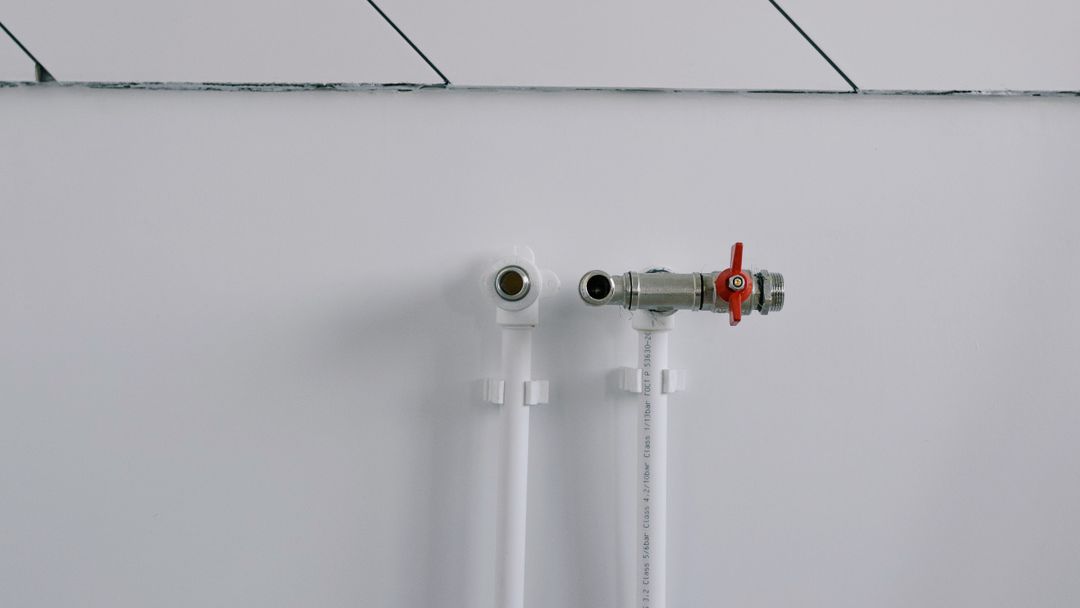
Whistling is water squeezing past a restriction. A partly closed stop, a failing fill valve or a worn washer makes a whistle or a squeal that rises with flow. It is usually one component, and it is usually the one that changed most recently.
A humming toilet is the fill valve. A vibrating diaphragm in the fill valve hums as it refills, and turning the stop slightly or replacing the valve resolves it. Left alone it tends to become a valve that will not seal, which is a water bill rather than a noise.
A running noise with nothing on deserves attention. Faint continuous flow in a quiet house, with all taps off, is the one sound in this section that indicates a loss of water somewhere.
A noise that changes with the season is usually expansion. Ticking and creaking get louder in winter, when incoming water is colder and the temperature swing along a hot run is greater. That seasonal pattern is a reliable way to separate harmless movement from something that needs attention.
Drain sounds are a different system and they are telling you about air rather than water.
Gurgling means the drain is pulling air from the wrong place. A properly vented drain takes air from the vent stack. When that path is restricted, it drags air through the nearest trap instead, and the gurgle you hear is that trap being emptied.
Noise in one room when another drains is a shared branch. If flushing a toilet makes a tub gurgle, the two share a branch and it is not moving air or water freely. That is a partial restriction developing, not an eccentricity of the house.
A gurgle is also how a trap loses its seal. Once a trap is siphoned dry, sewer gas has an open path into the room, which is why gurgling and odour so often arrive together.
Rushing water in a wall when nothing upstairs is running. In a two storey house that can indicate a leak finding its way down a cavity, and it is worth investigating promptly rather than waiting for a stain.
A new noise after a remodel is worth chasing. Drains that were quiet for years and gurgle after a bathroom or kitchen was reworked usually mean a fixture was added to a branch that was never sized or vented for it. That is a design issue rather than a blockage, and clearing the line will not change it.
The phone is answered around the clock, holidays included. The useful details are what the noise sounds like, whether it follows hot water or cold, which appliance or fixture was last used, and whether it is new. That usually narrows it to one mechanism before we arrive.
Roanoke and this part of Denton County are on our daily route, with overnight dispatch. We fit arrestors near the cause rather than guessing at the far end of the house, and we will tell you when a noise is expansion and genuinely harmless.
FAQ
Yes, gradually. The shock that makes the noise is landing on fittings and joints. An arrestor fitted close to that appliance valve absorbs it, which works far better than bracing pipework elsewhere.
Almost never. That is a hot pipe expanding and sliding against a joist or a plate, which is why it only happens after hot water use. It is a clearance and support matter, not a leak.
The fill valve diaphragm vibrating. Adjusting the stop slightly often quiets it, and replacing the valve resolves it properly. Worth doing, because a humming valve tends to become one that will not seal.
They share a branch and it is not moving air freely, so the drain pulls air through the tub trap instead of the vent. It usually means a partial restriction is developing rather than nothing at all.
Water squeezing past a restriction, typically a worn washer, a partly closed stop or a failing fill valve. It is nearly always one identifiable component rather than a system problem.
Often the old air chambers above the fixtures have waterlogged and stopped cushioning, or a new appliance with a fast closing valve has been fitted. Rising house pressure will also bring it on.
It is the one noise here that suggests water is being lost. Close everything, listen, then check whether the meter is moving, because that separates a leak from a fixture that is not shutting fully.
Yes. A gurgle is often the sound of a trap being siphoned, and once the water seal has gone, sewer gas has an open path into the room. The two symptoms commonly arrive together.
Nearby
Services
Pressure that makes hammer worse.
About this serviceRestrictions behind gurgling drains.
About this serviceFill valves that hum and will not seal.
About this serviceRunning water with everything closed.
About this serviceWhistling stops and worn washers.
About this serviceOvernight dispatch when a noise becomes a leak.
About this serviceTalk to someone now
Tell us what it sounds like and whether it follows hot water or cold. Most of these are one component, and dealing with them while they are still a noise is the cheap option.
Call about a noise in the plumbing