Septic System Plumbing
House-side work on septic properties.
About this serviceDallas-Fort Worth
Seagoville sits at the far southeastern edge of Dallas County, and plenty of properties here are on a conventional septic tank and drainfield rather than a city sewer. On the heavy clay soil of the Trinity bottomlands, that is a system with very little margin. What goes down the drains inside the house decides how long the field outside lasts, and almost nobody was told that when they bought the place.
24/7 dispatch · Seagoville · Dallas County
A conventional system has two jobs in two places, and confusing them is why people replace the wrong thing.
The tank separates, it does not treat. Solids settle to the bottom as sludge, grease floats as scum, and relatively clear liquid in the middle leaves for the field. The tank's whole purpose is keeping solids out of the drainfield. It is not a digester that makes waste disappear.
The field is where treatment actually happens, in the soil. Effluent seeps through perforated lines into soil that filters it biologically. That requires soil with air in it and the ability to accept water, which is exactly what heavy clay is worst at. Around here fields are working near their limit in normal conditions.
Pumping on a schedule protects the field. Once the sludge layer is deep enough that solids carry over, they enter the field and begin sealing it, and that damage does not reverse. For most households a pump-out every three to five years is the honest interval, and it is far cheaper than a new field.
An effluent filter is the best small upgrade available. A filter in the tank outlet catches carryover before it reaches the field. It needs rinsing when the tank is serviced, and a slow-draining house with a filter fitted is often just a filter that needs cleaning rather than anything serious.
The soil is the part of your system you cannot change, and it drives most of what goes wrong here.
A wet season and a marginal field are a bad combination. When the ground is already saturated, a clay field has nowhere to put effluent. Slow drains after a week of rain, or wet ground over the field lines, is usually saturation rather than a blockage, and resting the system by reducing water use genuinely helps.
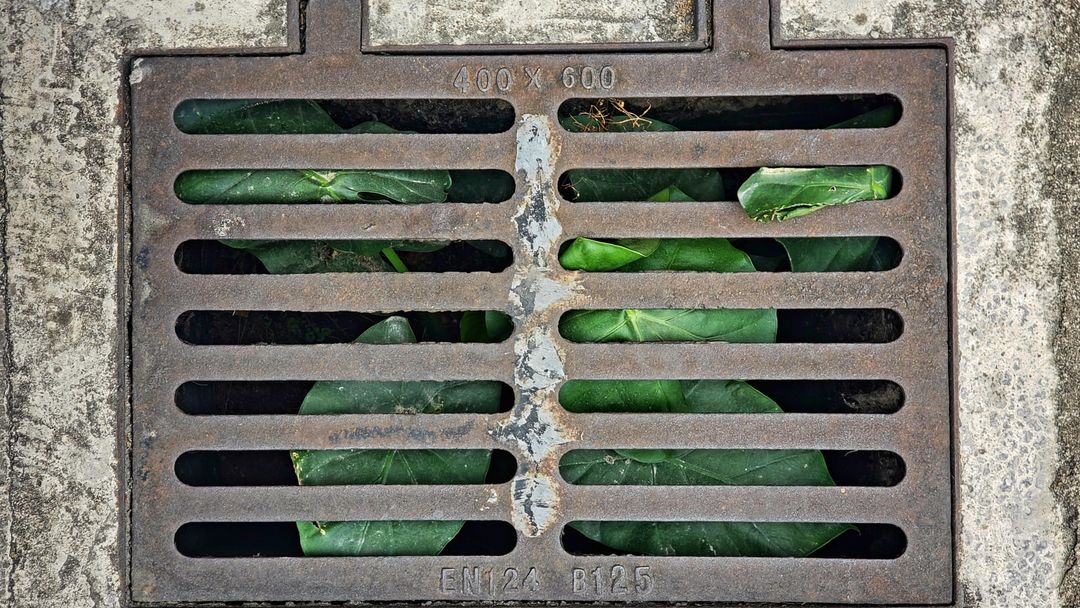
Keep everything else out of the field. Roof downspouts, yard drains, irrigation and a swimming pool discharge all add water the field was never sized for. Diverting surface water away from the field area is one of the cheapest improvements you can make to a system that is struggling.
Do not drive on it, do not build on it, do not plant trees in it. Compaction destroys the soil structure the field depends on, and roots find the lines. Grass over a field, nothing else, and that includes the trailer parked in the same spot every winter.
Sewage surfacing in the yard is an emergency, not a nuisance. Standing effluent is a health hazard and a reportable failure. Keep people and animals off it, stop using water in the house as far as you can, and get it looked at rather than waiting to see whether it dries up.
These are the plumbing decisions inside the house that a septic system is unusually sensitive to.
A garbage disposal sends solids and grease straight to the tank. On septic it roughly increases the solids load and shortens the pumping interval considerably. If you have one, use it sparingly and pump more often. Where a system is already marginal, removing it is a legitimate recommendation.
Water softener discharge is a real argument, and volume is the issue. A regeneration cycle sends a large slug of salty water to the tank in a short time, which disturbs settling and adds hydraulic load. On a field that is coping poorly, rerouting or retiming that discharge is worth discussing rather than dismissing.
Only three things belong down a toilet on septic. Human waste, toilet paper, and water. Wipes marked flushable do not break down, they accumulate in the tank, and they are the single most common cause of a tank needing emergency attention.
Spread your water use through the week. Six loads of laundry on a Saturday is a hydraulic shock to a clay field. The same six loads across the week is not. That costs nothing and it makes a measurable difference to a system near its limit.
Leaks matter twice on septic. A running toilet on city sewer wastes money. On septic it pumps hundreds of gallons a day into a field that has nowhere to put it, which is a quiet way to destroy a system. A dripping fixture is a septic repair, not just a plumbing one.
The phone is answered around the clock, holidays included. Tell us when the tank was last pumped and whether the ground over the field is wet, because those two answers separate a house-side blockage from a system that is saturated.
Seagoville and the southeastern corner of Dallas County are on our daily route, with overnight dispatch. We work on the plumbing side: finding whether the problem is in the house line, the tank outlet or the field, camera and locate where that is needed, and tell you plainly when what you need is a pump-out or a licensed site evaluation rather than a repair.
FAQ
For most households here, every three to five years. The point is to remove sludge before solids start carrying over into the drainfield, because that damage to the field is permanent and a pump-out is a fraction of the cost of replacing one.
More likely the field is saturated and has nowhere to put effluent, which is common on this clay. Reducing water use for a few days genuinely helps. If it recurs every wet spell, the field needs evaluating rather than the drains snaking.
Sparingly, and with more frequent pumping. It sends grease and solids straight to the tank and meaningfully shortens the interval. Where a system is already struggling, removing the disposal is a reasonable recommendation rather than a hard rule.
Yes. They do not break down in a tank, they accumulate, and they are the most common reason we see a system needing urgent attention. On septic the list is waste, toilet paper and water.
It is worth reviewing. A regeneration sends a large volume of salty water in a short burst, which disturbs settling and adds load. On a field that is coping poorly, retiming or rerouting that discharge can be part of the solution.
It sits in the tank outlet and catches solids before they reach the field, which is the best small protection available. It needs rinsing whenever the tank is serviced, and a gradually slowing house with one fitted is often just a filter due for cleaning.
Treat it as urgent. Surfacing effluent is a health hazard and a system failure rather than a nuisance. Keep people and pets off it, cut water use in the house, and have it assessed instead of waiting for it to dry out.
More than on city sewer. A running toilet can push hundreds of gallons a day into a field with no capacity for it, and that is a quiet way to ruin a drainfield. On septic, fixing a small leak promptly is protecting the expensive part.
Nearby
Services
House-side work on septic properties.
About this serviceSeparating a house blockage from a full tank.
About this serviceLocating the line to the tank.
About this serviceStopping a leak the field cannot absorb.
About this serviceRoots in the line to the tank.
About this serviceOvernight dispatch in southeast Dallas County.
About this serviceTalk to someone now
Tell us when the tank was last pumped and whether the field is wet. We will find whether the problem is the house line, the tank outlet or the field, and say plainly which trade you need.
Call about a septic or drain problem