Leak Detection
Chasing the difference between two meter readings.
About this serviceCentral Texas
Killeen runs on small rental property: fourplexes, eight unit courts, streets of single family houses held by one owner. Almost every water problem on those properties shows up first as a number on a bill rather than as a puddle, and the gap between what the master meter says and what the units add up to is where the whole job starts.
24/7 dispatch · Killeen · Bell County
On a submetered property you have two sets of numbers every month: what the utility charges the master meter, and what the unit meters add up to. They never match exactly. A few per cent is normal and covers irrigation, hose bibs, the laundry room and meter tolerance. Fifteen or twenty per cent is a leak, and it has been running for as long as the gap has.
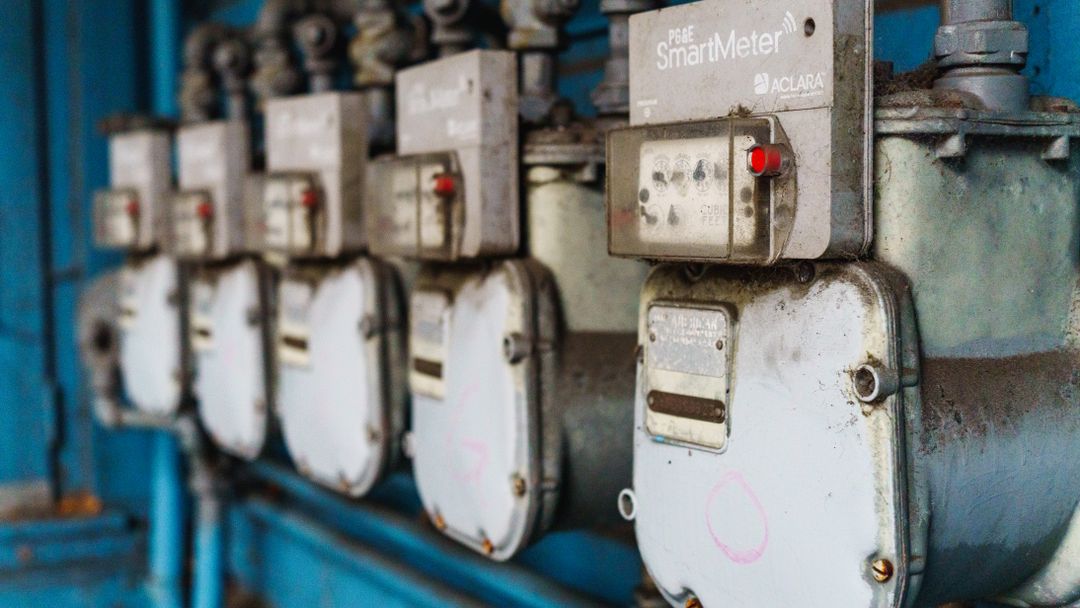
Track the ratio month by month rather than the dollars. Dollars move when rates change and when occupancy changes, and that noise hides a slow leak for a year. The ratio moves only when water starts going somewhere it did not used to go, which makes a step change in it the most useful early warning any owner has.
Note the direction too. A gap that grows steadily over several months is a leak getting worse. A gap that appears in one month and stays flat is usually something that was switched on and left on: an irrigation valve, a hose left running to a pressure washer, a filled pool.
In order of how often we find it on Killeen properties:
Toilets, and it is not close. A flapper that seats badly passes water silently and continuously. One of them across a fourplex can account for a meaningful share of a monthly gap, and because it makes no noise and leaves no mark, nobody reports it.
Irrigation on the domestic supply. Common on older courts where the landscaping was added after the plumbing. A stuck zone valve waters at three in the morning, drains to the street, and never appears on anyone's floor.
The line between the meter and the buildings. On properties with several structures behind one meter there can be a hundred feet of private supply under a parking area. A break there surfaces slowly through asphalt or not at all.
Hose bibs and laundry rooms. Unmetered, unwatched, and in a shared laundry the supply hoses are usually the oldest components on the property.
A slab leak in an occupied unit. Rarer than the rest, but it is the one where the tenant reports warm flooring or a hot water bill they cannot explain, and the repair has a timetable attached to it.
Worth saying what is almost never the answer: tenants filling paddling pools, washing cars, or otherwise using water carelessly. Owners reach for that explanation first because it is the only one with a person attached to it. In a decade of chasing these, deliberate waste has accounted for almost nothing, and a fixture failing quietly has accounted for nearly all of it. Start with the hardware.
The sequence is the same whether it is four units or forty, and it works around tenants rather than through them.
First, a night reading. Take the master meter late and again before anyone is up, with the irrigation controller switched off so it cannot run in between. Any consistent overnight flow on a small property is a fault, not use.
Second, isolate outward. Close the valve to the irrigation, then to the laundry and the hose bibs, watching the meter after each. That alone resolves a good half of the cases without entering a single unit.
Third, work the risers. If the property was built with a stop per unit, closing them in turn narrows it to one address in under an hour. If it was not, which is common in the older eight unit courts, fitting those stops is worth doing on its own merits: it turns every future repair from a whole property shutdown into one unit.
Only then do you knock, and you knock on one door instead of eight.
Texas has rules for owners who bill residents for water, whether by unit submeter or by an allocation formula, and they are mostly about record keeping. Keep the master bill and the unit readings for each cycle. Bill no more than what the utility charged you. Be able to produce a reading history for a unit when it is asked for, and have a meter tested when a resident disputes it.
The plumbing side of staying defensible is simpler: meters that are readable and accessible, unit stops that work, and a documented response when a resident reports a running fixture. A property that can show it fixed a reported leak within days is in a very different position from one that cannot.
Where submeters do not exist and billing is allocated by occupants or square footage, the incentive to report a leak sits with nobody, so the owner has to go looking. On those properties the monthly ratio is not a nice to have. It is the only detection you own.
We would rather do one scheduled visit a quarter than five emergency calls a year. That visit is the meter comparison, the overnight test if the numbers ask for it, a flapper and stop check on any unit turning over, and a written note of what is deteriorating rather than broken, so the next repair is a budgeted one.
Killeen, Harker Heights, Nolanville, Belton and Temple are all inside our normal Bell County run, and we will hold a standing rate for owners with more than one property on the list.
FAQ
With an overnight meter reading and the irrigation off. Tenants report what they can hear. The leaks that move a master bill are almost all silent ones.
A single figure percentage covering irrigation, common areas and meter tolerance. Consistently into the teens means water is leaving the system somewhere, and the useful thing is the trend rather than any one month.
Usually, though the case is as much about behaviour as billing. Metered residents use noticeably less and report running toilets, because it is finally their money. The install is also the moment to put a stop valve on each unit.
Allocated billing is allowed under state rules with the record keeping those rules require, and you cannot bill out more than the utility charged you. Keep the master bills and the calculation for every cycle.
Pull the reading history first, since a disputed month usually looks obviously different from the unit's own pattern. If it does not resolve it, the meter can be tested, and having done that willingly matters if it goes further.
Isolate the buildings one at a time to confirm the loss is on the private supply, then locate it acoustically before anything gets cut. Cutting asphalt on a guess is the expensive version.
Flapper and fill valve, both angle stops, the supply hoses at the laundry connection, the tub diverter and the aerators. It is twenty minutes and it prevents the two calls you would otherwise get in the first month.
Yes, and it is the best money most of these courts can spend. A stop per unit means a repair no longer means shutting everyone off, which also means residents stop refusing access.
Routinely. We work in unit sized windows, give notice you can pass on, and try to keep any shutdown inside a couple of hours rather than a day.
Twelve months of master bills against the unit totals, the age of the water heaters, whether unit stops exist, and a camera run of the main lateral. Those four tell you most of what the plumbing will cost you in the first two years.
Nearby
Services
Chasing the difference between two meter readings.
About this serviceLoss that never surfaces and never reaches a fixture.
About this serviceThe silent flapper behind most master bill jumps.
About this servicePrivate supply running under a parking area.
About this serviceOne call covering a property, not one unit.
About this serviceTurnover trim chosen to survive the next tenancy.
About this serviceTalk to someone now
One overnight reading usually tells us whether you have a leak or an occupancy change.
Book a metering review