Emergency Plumbing
Grayson County call-outs during and after a build.
About this serviceDallas-Fort Worth
Plumbing a new house happens in three visits separated by months, and almost every expensive regret comes from a decision made in the first one. Once concrete is poured, the cheap options are gone, so it is worth knowing what each stage decides while you can still change it.
24/7 dispatch · Gunter · Grayson County
Everything below the concrete is set for the life of the building. This is the stage to slow down on.
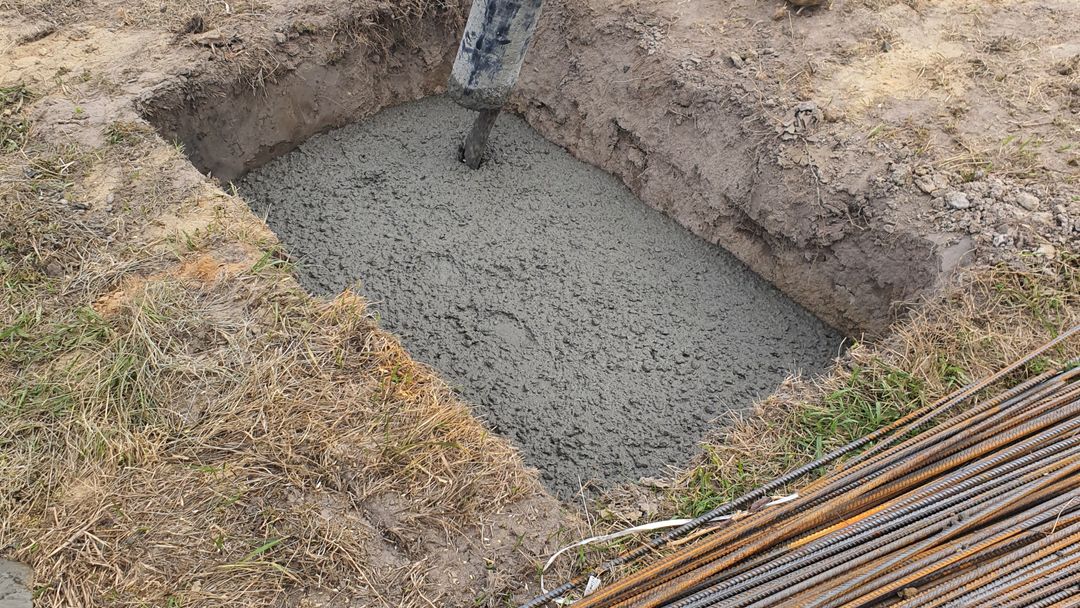
Drain positions are permanent in a practical sense. Moving a toilet or a shower drain afterwards means breaking concrete. Walk the marked out slab with the plans and confirm every fixture location physically, not on paper.
Falls and depths are set here too. The tie in depth at the street, and the fall back from it, dictate whether the far end of the house drains properly. On a long or flat lot this is where problems are designed in.
Sleeve anything that passes through the slab. Sleeving lets pipe move as the slab moves and it lets a line be replaced later. It costs very little at this moment and it is the difference between a reroute and a jackhammer in fifteen years.
Put in more than you need now. A stub for a future outdoor kitchen, a line to where a bathroom might go, a sleeve under the drive. Trivial today, a major project afterwards.
The ground rough is tested and inspected before the pour. Watch that it happens and get the paperwork. A pour over untested drainage is a genuine risk and it is not a corner worth letting anyone cut.
The second stage is the supply and vent work once the frame is up, and this is where the house's daily behaviour is decided.
Top out is water supply, drainage above slab and venting. Pipe routes, manifold or trunk and branch, where the water heater sits and how it is vented. It is all reachable now and behind drywall next week.
The pressure test has to hold. Systems are tested before anything is covered. Be wary of any suggestion that it will be tested later, or that a slow drop is acceptable.
Venting is easy to get wrong and hard to fix. A fixture vented improperly drains fine on the day and gurgles and smells for years. It is worth asking how each fixture is vented rather than assuming.
Ask for photographs before the drywall. Every wall, with a tape in shot if possible. That set of pictures is worth a great deal the first time somebody needs to find a pipe, and it costs nothing to take.
The final is fixtures, and it is where finish quality shows. Trims, stops, connectors and the heater commissioned. Run every fixture yourself at handover rather than trusting the walkthrough.
Tell us which stage you are at and whether you are the owner, the builder, or an owner acting as their own builder. The third case is common in Grayson County and it needs more explaining as we go, which we are happy to do.
Gunter, Van Alstyne, Howe and the rest of southern Grayson County are on our round. We test before covering anything, we photograph the walls before the drywall goes up and hand you the set, and we would rather add a sleeve and a stub now than quote you a slab break later.
FAQ
Three main visits: the under slab rough before the pour, the top out once the frame is up, and the final for fixtures. Each one is separated by months and each decides different things.
Only by breaking concrete, which is why walking the marked out slab and confirming every fixture position physically is the most valuable half hour in the whole project.
A sleeve lets pipe pass through concrete without being gripped by it, so it can move and be replaced. It costs very little at the pour and it saves a great deal when a line eventually needs attention.
Yes. A stub where a future bathroom or outdoor kitchen might go, and a sleeve under the drive. All trivial now and all major projects once the concrete is down.
That the pressure test held, how each fixture is vented, and where the heater sits and how it is vented. Then photograph every wall before the drywall, with a tape in shot.
No. Systems are tested before they are covered, and a pour over untested drainage is a real risk. It is reasonable to ask to see the test and the inspection paperwork.
Nearby
Services
Grayson County call-outs during and after a build.
About this serviceCorrecting a route while the walls are still open.
About this serviceTie in depth and fall from the street.
About this serviceSiting and venting decided at top out.
About this serviceThe final stage, and what to check at handover.
About this serviceProving what went in before the pour.
About this serviceTalk to someone now
Tell us which stage you are at. The questions worth asking are completely different before and after a pour.
Call about a new build