Drain Cleaning
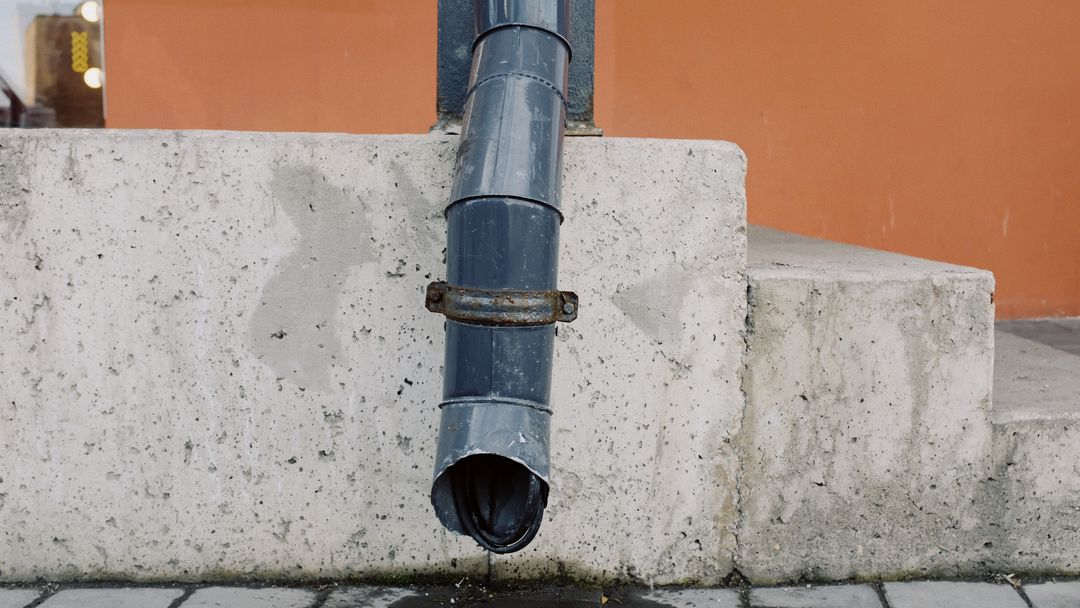
Lint and grease narrowing a marginal branch.
About this serviceGreater Austin
Hutto's housing is overwhelmingly 2000s and later, built to a repeatable plan on a tight lot, and one consequence shows up in call after call: the laundry box overflows, or the kitchen sink backs up when the dishwasher runs. Nothing is broken and nothing is blocked in the usual sense. The drain was sized and routed for appliances that no longer exist, and the appliances people now own move water far faster than it was designed to carry away.
24/7 dispatch · Hutto · Williamson County
This is a capacity problem rather than a fault, which is why it survives having the drain cleaned and comes straight back.
Modern washers empty faster than old ones. A high-efficiency front loader or a modern top loader uses less water overall, but it discharges what it does use through a pump at a high rate, in a short burst, sometimes several times per cycle. The drain has to accept that peak flow, not the total volume, and peak flow is the number nobody thinks about.
The standpipe is often the limit. A great many houses of this era were built with a one and a half inch laundry standpipe, which was standard and adequate for the machines of the time. Against a modern pump it is marginal. The washer wins, water rises in the standpipe faster than it can drain away, and it comes over the top of the box onto the floor.
Height and depth of the trap matter too. A standpipe that is too short lets the pump push water straight through and can siphon the trap dry. Too tall and the pump is working against a head it was not specified for. There is a correct range, and a lot of production plumbing sits at the edge of it.
Two fixtures, one drain, one moment. Kitchen sink, dishwasher and disposal commonly share a single small drain into one branch. Run the dishwasher's drain cycle while the sink is full of water and the branch briefly has more coming in than it can pass. That is the standing water in the second bowl that people assume is a blockage.
These two produce similar complaints and completely different bills, so the distinction is worth making before anybody brings a cable into the house.
A blockage gets worse over time. A capacity problem is consistent. If it has overflowed at the same point in the same cycle for two years without ever getting any worse, that is capacity. If it was fine in January and is slow now, that is an obstruction accumulating.
Capacity problems are tied to a specific event. Only on the spin drain, only when the dishwasher discharges, only when two things run together. Blockages are indifferent to what else is happening.
Watch it happen once. Stand in the laundry room through a full cycle. Water rising steadily and cresting the box is capacity. Water that backs up, then gurgles and slowly disappears once the pump stops, is a restriction. Bubbling or glugging at another nearby fixture while the washer drains points at the vent instead, which is a different diagnosis again.
Time it. A one and a half inch line will pass only so much. If the water level holds steady against the pump but never overtops, you are at the limit rather than past it, and a small change in load or detergent foam will tip it over. That is why it seems intermittent.
There is a sequence here, and going straight to the expensive answer is unnecessary in most houses.
Clear and check first anyway. Lint, detergent residue and biofilm genuinely do narrow a laundry line over years, and a marginal pipe with a coating on it is worse than a marginal pipe that is clean. Cleaning it properly is cheap and it sometimes buys back enough capacity to end the problem. If it comes back within months, you have learned that the pipe is the constraint.
Adjust the standpipe. Getting the height into the correct range and confirming the trap depth is a small job with a real effect, especially where the original install was at the limit.
Upsize the standpipe and the branch to two inch. This is the proper fix. In a laundry on an outside or garage wall with accessible pipework it is often a contained job. Where the branch runs inside a finished wall to a stack some distance away, it is bigger, and that is the case worth getting a clear scope on before agreeing.
Reduce the demand on the pipe you have. Not glamorous, but effective: the correct detergent dose for a high-efficiency machine, because excess foam is volume; not running the dishwasher's drain cycle with a sink full of water; and not stacking the washer, dishwasher and a filling bath into the same ten minutes. On a marginal line this is the difference between an occasional nuisance and a weekly mop.
Check the vent while you are in there. Capacity and venting interact. A drain that cannot breathe cannot flow at full rate, so a marginal line with a compromised vent behaves much worse than the pipe size alone would suggest. If a nearby fixture gurgles when the washer drains, that gets looked at first.
The kitchen version of this is more common than the laundry version in Hutto houses, and it has its own set of causes that are cheap to correct.
The dishwasher drain hose needs a high loop or an air gap. Without one, the hose can siphon and dirty water from the sink drains back into the machine. This is a genuinely frequent installation defect in production housing and in appliance swaps, and it is minutes to correct.
The disposal changes what the pipe has to carry. Ground food waste plus grease plus a small diameter branch produces a narrowing coating over a few years. Running plenty of cold water during and after use, and keeping fats out entirely, is what keeps that line clear. Grease is the actual culprit in most kitchen branch restrictions, not food.
Double-bowl sinks reveal the constraint. Water appearing in the second bowl when the disposal runs or the dishwasher drains means the shared branch cannot pass the flow at that instant. Sometimes that is a restriction to clear. Sometimes it is the tee configuration under the sink, which is correctable.
Appliance upgrades are the trigger. A new dishwasher with a stronger drain pump into an unchanged branch is a very common reason a kitchen that was fine for eight years stopped being fine the week the appliance was delivered. Worth mentioning on the phone, because it points straight at the answer.
The phone is answered around the clock, holidays included. On an overflowing laundry or a backing-up kitchen sink the first questions are whether it happens at the same point every time and whether anything gurgles elsewhere, because those two answers usually separate a capacity problem from a blockage before anyone arrives.
Hutto sits in well-covered eastern Williamson County, so same-day is normal and after-hours dispatch runs every night. If the honest answer is that your pipe is at its limit rather than blocked, we will say so and give you the options in order of cost rather than clearing it again every nine months.
FAQ
Often not. If it overflows at the same point in the cycle every time and has never got any worse, the drain is at its capacity limit against a modern pump. A blockage builds gradually and gets worse month by month. The pattern tells you which one you have.
Modern machines discharge through a pump at a high rate in short bursts. A one and a half inch standpipe that coped with the old machine can be marginal against the new one. Nothing failed; the peak flow went up and the pipe did not.
It is worth doing first, because lint, detergent residue and biofilm do narrow the pipe and a clean marginal line sometimes performs adequately. If it comes back within a few months, that is good evidence the pipe size itself is the constraint.
It depends entirely on the route. A laundry on an outside or garage wall with accessible pipe is often a contained job. A branch running inside a finished wall to a stack some distance away is a larger scope, and that should be described before you agree to it.
That is a venting symptom rather than a capacity one. A drain that cannot draw air cannot flow at full rate and pulls it from the nearest trap instead. It gets diagnosed before anything is upsized, because fixing the vent sometimes resolves the flow problem entirely.
The two fixtures share a branch and at that moment more is arriving than it can pass. It can be a restriction to clear, or the configuration of the tee under the sink, or a dishwasher hose with no high loop siphoning back. All three are checked from under the sink.
Yes, more than people expect. High-efficiency machines need a much smaller dose, and excess foam is additional volume the drain has to pass. On a line that is already marginal, correcting the dose alone occasionally ends the overflowing.
It genuinely helps and costs nothing. On a marginal drain, simultaneous demand is what tips it over. It is a workaround rather than a repair, but it is a reasonable one while you decide about the pipework.
The disposal itself is fine. What narrows a kitchen branch is grease combined with ground waste over several years. Plenty of cold water while it runs, and keeping fats out of the sink entirely, is what keeps that line passing full flow.
Nothing has failed. It was built correctly to the standard and the appliances of the day, and appliance pump rates moved on. It is a design mismatch rather than a defect, which is also why clearing the line repeatedly never resolves it.
Nearby
Services
Lint and grease narrowing a marginal branch.
About this serviceRestoring full bore on a coated kitchen line.
About this serviceWhere the kitchen branch load starts.
About this serviceUpsizing a standpipe or branch to two inch.
About this serviceConfirming whether it is restriction or size.
About this serviceTee configuration and hose loops under the sink.
About this serviceTalk to someone now
That is a capacity problem and clearing it again will not end it. Call and we will work out whether it is the pipe, the vent or the install, and give you the fixes in order of cost.
Call and describe the problem