Sewer Camera Inspection
Proving where and how a line was hit.
About this serviceGreater Austin
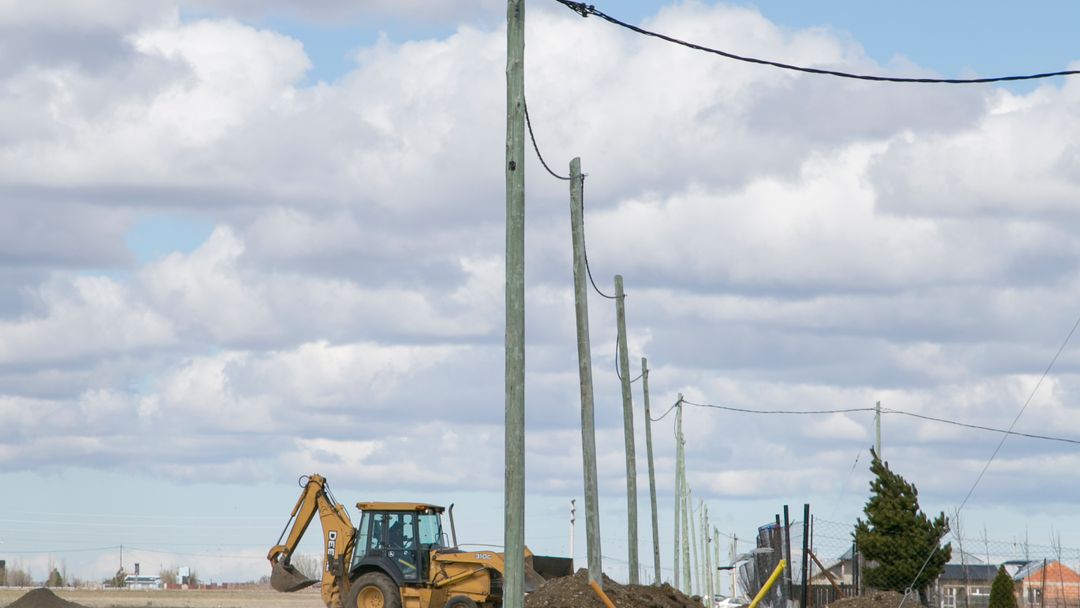
There is more machinery in the ground around Taylor than at any point in the town's history, between new subdivisions, utility upgrades and fibre crews. The lines most often damaged in all that activity are the ones nobody marks: the private runs between your meter and your house. Knowing that they are yours, and unmarked, is what saves the argument afterwards.
24/7 dispatch · Taylor · Williamson County
The free locate service is genuinely valuable and it is also widely misunderstood. It protects the utility's assets, which is not the same as protecting yours.
The marks stop at the meter. Locators paint the public distribution: the water main and the service to your meter, the gas main and its service, electric, telecom. What they do not mark is the private side.
Your private runs are unmarked and they are everywhere. The water line from the meter to the house, the sewer lateral from the house to the main, gas from the meter to the appliances, irrigation piping and wiring, a well or septic line on older properties, and any yard hydrant. All of them are the owner's, and none appear in a standard locate.
Anyone digging on your lot is digging blind unless you tell them. Fence contractors, tree crews, pool builders, driveway and slab crews and landscapers all put steel in the ground at exactly lateral depth. A five minute conversation about what runs where is the entire mitigation.
A private locate exists and it is cheap insurance. Before any significant excavation, having the private runs traced and marked costs a fraction of one damaged lateral repair, and the marks give you a record if something is hit anyway.
The locate ticket has a life span. Marks are valid for a limited window and paint fades in a Texas summer, so a project that slips by a month is working from expired information. Refreshing the locate before the machinery actually arrives costs nothing and is the single most commonly skipped step.
A strike is not always obvious at the time, and the symptom frequently arrives after the crew has gone.
The sudden backup after work nearby. A house that has drained normally for years and backs up the week a bore, a fence line or a driveway went in has usually had its lateral crushed or punctured rather than developing a coincidental blockage. Sequence matters and it is worth stating plainly.
A wet patch and a falling pressure reading. A nicked private water line can weep for days before it surfaces. Isolating the house at its valve and watching the meter separates a yard line break from anything inside.
Discoloured water after main work is usually temporary. Utility work on a main stirs sediment, and short lived cloudy or rusty water afterwards is normal. Running a hose bib until it clears is the remedy; persistent discolouration weeks later is a different conversation.
The smell of gas near a trench is never a wait and see. Leave the area, then call the gas utility from a distance. That is their emergency and their line, whichever side of the meter it turns out to be on.
Bored lines are the hardest to spot. Directional boring for fibre or conduit can pass straight through a clay or plastic lateral without anything showing at the surface, and the only evidence is on camera.
What you do in the first hour determines whether someone else's insurer pays for the repair.
Isolate first. Water off at the house valve or the meter for a supply strike, and stop using drains for a sewer strike so you are not adding to a break you cannot see.
Photograph the damage in place before it is repaired. Pipe still in the ground, the damage visible, machinery and trench in the same frame, and something in shot for scale. Photos taken after a repair prove very little.
Keep the cut out section. A length of pipe with a bore or a machine mark in it is physical evidence, and it costs nothing to put it in a bag with the date on it.
Write down who was on site. Company name, the vehicle, the time, and the locate ticket number if there is one on display. Recollections fade fast and contractors change crews weekly.
Repair and claim are separate tracks. Nobody expects you to live with sewage backing up while liability is settled. Document thoroughly, get the repair done, keep the invoice and the photographs together, and pursue the claim from there.
Mark the spot before the trench is closed. Contractors backfill quickly and a repaired or damaged section becomes invisible within hours. A measurement from two fixed points, a fence corner and a house corner, written on the same page as the photographs, means the location is still provable weeks later when a claim is actually being read by someone who was never there.
The phone is answered around the clock, holidays included. Tell us what has been dug or bored on or near the property recently and when the symptom started, because that timeline is often the fastest route to the defect.
Taylor and eastern Williamson County are on our daily route, with overnight dispatch. We camera and locate to establish exactly where and how a line was damaged, photograph it in the ground before we repair it, and give you a written finding you can hand to a contractor or an insurer.
FAQ
Only the utility owned lines up to the meter. Your private water line, sewer lateral, gas piping past the meter and irrigation are not marked by that service, and they sit at exactly the depth most digging reaches.
Very likely. Directional boring can pass straight through a lateral with nothing visible at the surface. A camera survey shows the penetration and its location, which is what a claim needs.
Have them traced and marked before work starts. A private locate with a camera and a transmitter maps the lateral and the water line, and that is much cheaper than one repair.
Usually the party that did the digging, but only if the damage is documented. Photographs of the pipe in the ground, the retained cut section and the contractor's details are what make that straightforward.
Normally not. Main work stirs up sediment and the cloudiness clears after running a hose bib for a few minutes. If it persists for weeks, that is worth a separate look.
No. Document thoroughly, then get it repaired. Keep the photographs and the invoice together, and pursue reimbursement afterwards rather than living with an open sewer defect.
Move away from the area and call the gas utility from a distance. Do not investigate it yourself and do not operate switches nearby. That is their emergency regardless of which side of the meter it is on.
Where the lateral, water line and irrigation run, in writing if you can. Have the private lines marked first, and ask them to hand dig within a couple of feet of any marked run.
Nearby
Services
Proving where and how a line was hit.
About this serviceCrushed and bored laterals.
About this servicePrivate supply runs from the meter.
About this serviceTracing a yard line break.
About this serviceSeparating damage from a blockage.
About this serviceOvernight dispatch in eastern Williamson County.
About this serviceTalk to someone now
Tell us what work happened and when the symptom started. We camera the line, photograph the damage in the ground before repairing it, and put the finding in writing.
Call about a damaged buried line