Sewer Line Repair
The private lateral from the street to the house.
About this serviceGreater Austin
Sooner or later a letter arrives saying a sewer main has been laid in your street. For a house that has been on septic for forty years that is a genuine improvement and a substantial project, and the parts that cost money are rarely the parts people expect.
24/7 dispatch · Manchaca · Travis County
The main in the street is the easy part. Everything between it and your house is a private job on your land.
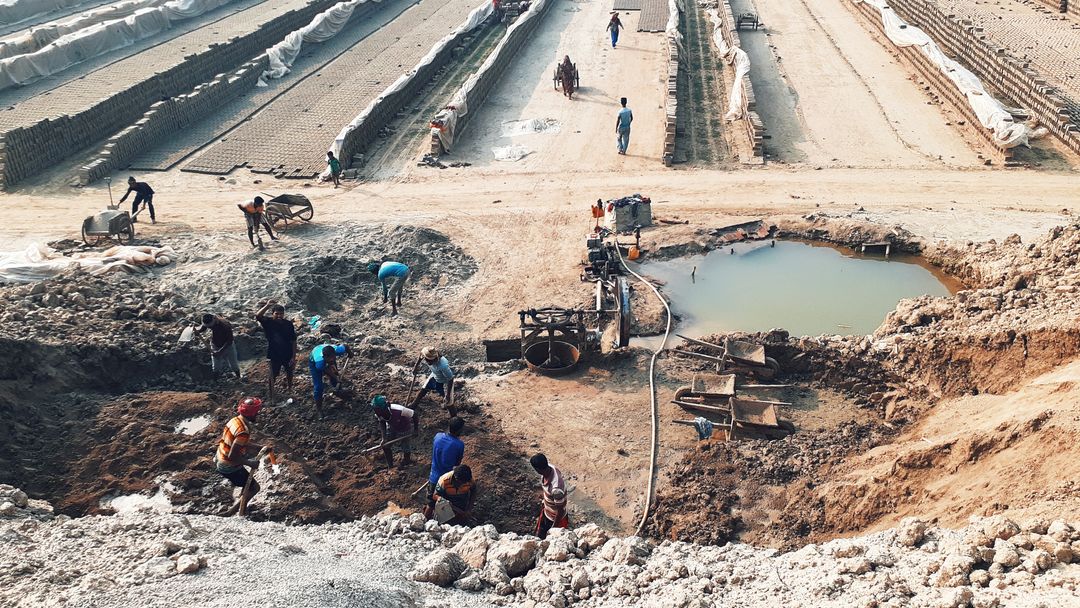
You are paying for a lateral, not a tap. A new run from the connection point to the house, at the right depth and fall, plus the tap fee and the permit. On a deep lot with the house set back, the trench is the cost.
Fall decides the route, and sometimes the price. The existing drainage was built to reach a tank that may be in entirely the wrong direction. Where the new main is higher than the old fall allows, a pump may be needed, and that changes the project.
Everything in the way matters. Drives, mature trees, irrigation, a patio added ten years ago. Boring under an obstruction is often cheaper than opening it up and rebuilding it.
There is usually a deadline and sometimes a mandate. Where connection is required, there is a window, and there are often incentives or waived fees early in it. Late connection is rarely cheaper.
Once the house is on the main, the old system has to be dealt with, and doing it correctly is both a safety matter and a paperwork one.
The tank is pumped, then made safe. Emptied by a licensed hauler, then either crushed and backfilled or filled with an approved material. An empty buried tank with a lid on it is a collapse risk, and that is not theoretical.
Keep the documentation. Who pumped it, when, and how the tank was decommissioned. A buyer's inspector will ask, and an undocumented abandonment turns into a negotiation at sale.
The drainfield stays where it is. It is left in the ground, and it remains a part of the yard not to build on or compact heavily for some time.
Disconnect it properly at the house. The old line to the tank is capped so nothing can find its way back into a system that is no longer maintained.
People ask whether it is worth doing when the septic system is working, and the honest answer depends on the system's age and on whether you have a choice.
You trade a capital cost for a monthly bill. No more pumping, no drainfield to protect, no system to replace in fifteen years. Instead, a sewer charge every month for as long as you own the house.
The failing system case is straightforward. If a field is at the end of its life, replacing it often costs more than connecting, and the connection does not fail.
It affects what you can do with the lot. Losing the field frees up land, and for anyone thinking about a garage, a workshop or an additional dwelling that can be the deciding factor.
Household habits can relax slightly. The rules that protect a drainfield matter less on a main. Wipes are still a bad idea, but a normal laundry day stops being a calculation.
Send us the utility's letter and tell us roughly where the tank sits relative to the house and the street. We can usually tell you from that whether this is a straightforward gravity connection or a job that needs a pump.
Manchaca, Buda, Creedmoor and the southern edge of Travis County are on our round. We survey the fall before quoting, we bore under drives and trees rather than opening them where we can, and we handle the tank decommissioning and its paperwork as part of the job.
FAQ
Often yes, within a set window, and sometimes only when the existing system fails. The letter from the utility will say which applies, and early connection frequently comes with reduced or waived fees.
The tap fee and permit, plus the private lateral from the connection point to the house. On a deep lot the trench is the bulk of it, and obstacles like drives and mature trees are what move the number.
It is pumped by a licensed hauler and then either crushed and backfilled or filled with an approved material. An empty tank left buried is a genuine collapse hazard.
Not as a septic system. Once the house is connected the tank is decommissioned, and the old line from the house is capped so nothing can reach it.
Then gravity will not do it and a pump is needed, which changes the scope and the price. That is the first thing we check, because it decides everything else about the job.
You are trading a capital cost for a monthly charge, and losing a system that will eventually need replacing. Where the field is ageing, or where you want to build on that part of the lot, it usually makes sense.
Less than people fear. Where a drive, a patio or a mature tree is in the way we would normally bore under it rather than open it, which is often cheaper than the reinstatement would be.
Yes. Who pumped the tank, when, and how it was decommissioned. A buyer's inspector will ask about it, and an undocumented abandonment becomes a negotiation at sale.
Nearby
Services
The private lateral from the street to the house.
About this serviceBoring under a drive instead of rebuilding it.
About this serviceDecommissioning a tank and capping the old line.
About this serviceChecking the fall before anything is quoted.
About this serviceHouse drains built to reach a tank, not a main.
About this serviceTravis County call-outs, any hour.
About this serviceTalk to someone now
Send it over with a rough idea of where your tank sits. That usually tells us whether gravity will do it.
Call about connecting to sewer