Gas Line Services
Sizing, sediment traps and pressure testing.
About this serviceDallas-Fort Worth
Gas piping is the part of household plumbing with the least margin for error. Water leaks cost money and gas leaks cost more than that, so the work is governed by sizing tables, testing and a short list of details that either exist or do not. A Kaufman house adding a range, a heater or a generator needs the line reassessed rather than extended and hoped for.
24/7 dispatch · Kaufman · Kaufman County
This comes first because nothing else on this page matters until it is handled.
Leave, then call. Get everyone out of the building, do not switch anything on or off, do not use a phone inside, and call your gas supplier or the emergency number from outside. Electrical switches and doorbells are ignition sources.
Do not go looking for it. Finding a gas leak is not a homeowner task, and the smell is deliberately added so that you notice it at concentrations far below anything dangerous. Noticing it is the system working.
A faint smell near one appliance still gets reported. A pilot that has gone out, a loose connector or a failing valve all produce a small persistent smell, and all of them need somebody with a detector and a manometer rather than soapy water and optimism.
Know where your gas shutoff is before you need it. At the meter, usually needing a wrench. Knowing which way it turns, in daylight, is worth five minutes.
After any leak, the system gets tested, not just repaired. A repair without a pressure test on the affected section tells you the fitting you touched is sound and nothing else.
Treat a pilot that will not stay lit as a symptom. Relighting the same pilot repeatedly is working around a failing thermocouple, a dirty burner or a control valve on its way out, and each of those deserves a look rather than another match.
These are the items an inspection finds missing, and each exists for a reason.
A sediment trap catches what the pipe sheds. A short capped drop before the appliance connection collects rust, scale and debris that would otherwise reach a gas valve and hold it partly open. Appliance manufacturers require them, and they are frequently omitted.
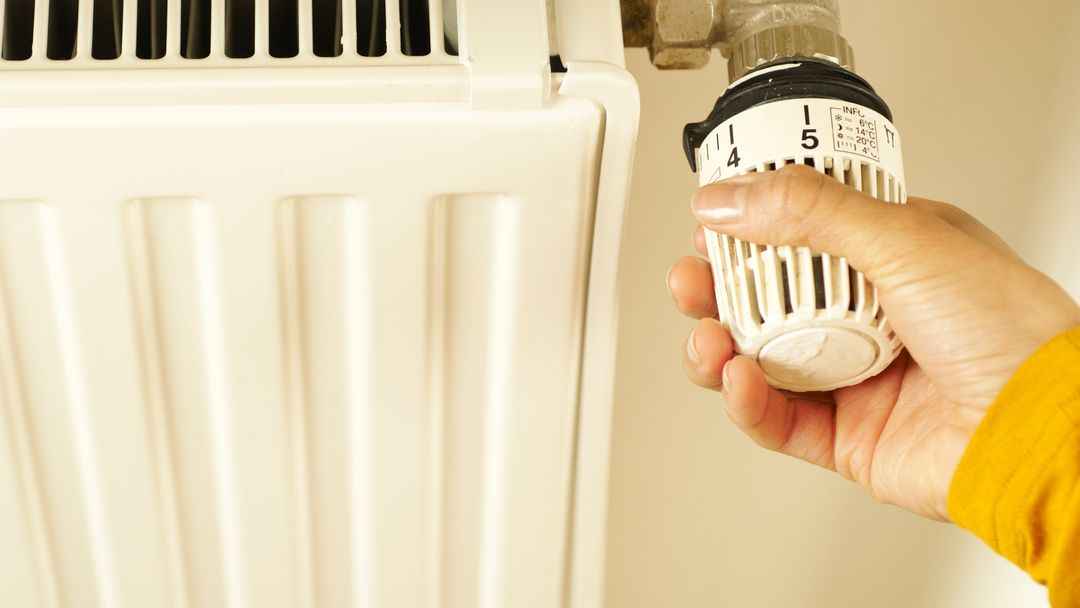
Every appliance needs its own shutoff, within reach. A valve at the appliance means it can be isolated for service without shutting down the house, and it has to be accessible rather than behind the range you cannot move.
Flexible connectors are appliance connectors, not pipe. They connect a movable appliance to fixed piping, they have a length limit, and they cannot run through walls, floors or cabinets. Old uncoated brass connectors are a known failure item and should be replaced on sight.
Do not reuse a connector. A flexible connector that has been fitted, bent and removed is finished. They are inexpensive and reusing one is how a slow leak starts behind an appliance.
Corrugated stainless tubing has its own rules. Where flexible stainless gas tubing is used, it needs correct bonding and protection from physical damage, and both are commonly missed on work done in a hurry.
Label the shutoffs while you are there. A gas manifold with four unmarked valves is useless in an emergency, and the person who needs it will not be the person who installed it. A marker pen and two minutes is the cheapest safety improvement in the house.
Gas systems are sized as a whole, so a new appliance is a system question rather than a connection.
Capacity depends on length as well as diameter. A pipe that comfortably supplies a range may not supply that range plus a tankless heater, because the calculation runs on total demand over the developed length of the run.
Tankless water heaters are the usual surprise. They consume far more gas than the tank unit they replace, and many houses need a larger line or a separate run to feed one. Discovering that after purchase is the common order of events.
Undersized gas piping shows as poor performance. Yellow lazy flames, an appliance that cannot reach temperature, or a heater that drops out when the range is lit are symptoms of starvation rather than a faulty appliance.
Generators, pool heaters and outdoor kitchens all add up. Every one of them is load, and the honest answer sometimes is that the meter and the service need upgrading before the appliance can be installed.
Ask about permits and the final test. Gas work is inspected work, and a pressure test on the finished system is the proof rather than a formality. A contractor reluctant to discuss either is telling you something.
Check the meter as well as the pipe. The meter itself has a capacity rating, and a house that adds a tankless heater, a generator and an outdoor kitchen can exceed it even with adequate internal piping. That is a conversation with the supplier, and it has a lead time worth knowing about early.
The phone is answered around the clock, holidays included. If you can smell gas, leave the building and call your supplier first. Otherwise, tell us what appliance is involved, whether it is a new installation or an existing one, and whether anything has changed recently.
Kaufman and this part of Kaufman County are on our daily route, with overnight dispatch. We size the whole run before quoting a new appliance, fit sediment traps and accessible shutoffs as standard, and pressure test what we have worked on.
FAQ
Get everyone out, do not touch any switch or use a phone indoors, and call your gas supplier or the emergency number from outside. Do not try to find the leak yourself.
It is a short capped drop before an appliance connection that catches rust and debris before they reach the gas valve. Manufacturers require them, and they are one of the most commonly omitted details we find.
No. They are appliance connectors with a length limit, intended to join a movable appliance to fixed piping. Running one through a wall, floor or cabinet is a defect, and old uncoated brass connectors should be replaced on sight.
Because it consumes far more gas than the tank unit it replaced. Capacity depends on both diameter and the length of the run, so many houses need a larger line or a dedicated run to feed one properly.
Possibly not. Poor flame quality, an appliance that will not reach temperature, or one that falters when another is lit all suggest the supply is starved rather than the appliance being broken.
No. Once it has been fitted and bent, it is finished. They cost very little, and reusing one is a common cause of a slow leak behind an appliance that nobody notices.
Yes, and it has to be reachable. A valve trapped behind an immovable range means the whole house has to be shut down for any service work on it.
Always, on the section worked on, and it is normally inspected work as well. A repair without a test confirms one fitting and tells you nothing about the rest of the system.
Services
Sizing, sediment traps and pressure testing.
About this serviceGas capacity for a tankless unit.
About this serviceConnections, traps and reachable shutoffs.
About this serviceGas valves, pilots and thermocouples.
About this serviceRunning a new gas branch to an appliance.
About this serviceOvernight dispatch in Kaufman County.
About this serviceTalk to someone now
If you smell gas, leave and call your supplier first. Otherwise tell us the appliance and we will size the whole run before quoting.
Call about gas piping or an appliance connection